Robusteel Engineering
Case Studies

Most damaged towers don't need replacing — they need the right strengthening.

Across our assessments, 60–70% of structures written off as damaged were kept in service through targeted reinforcement. Our strengthening details are designed to be buildable on site, on a standing tower. Client names and commercial figures are withheld; the scope, method and outcome are not.

60–70%

of damaged towers typically saved through strengthening instead of replacement

10 → 3

on one 400 kV corridor: of 10 towers flagged for replacement, only 3 had to go

On-site buildable

bolted reinforcement details applied on the standing structure, no shop rebuild

400 kV · Case 01

Consteel · PLS-Tower · field inspection

01400 kV project

Strengthening instead of replacement on a 400 kV corridor

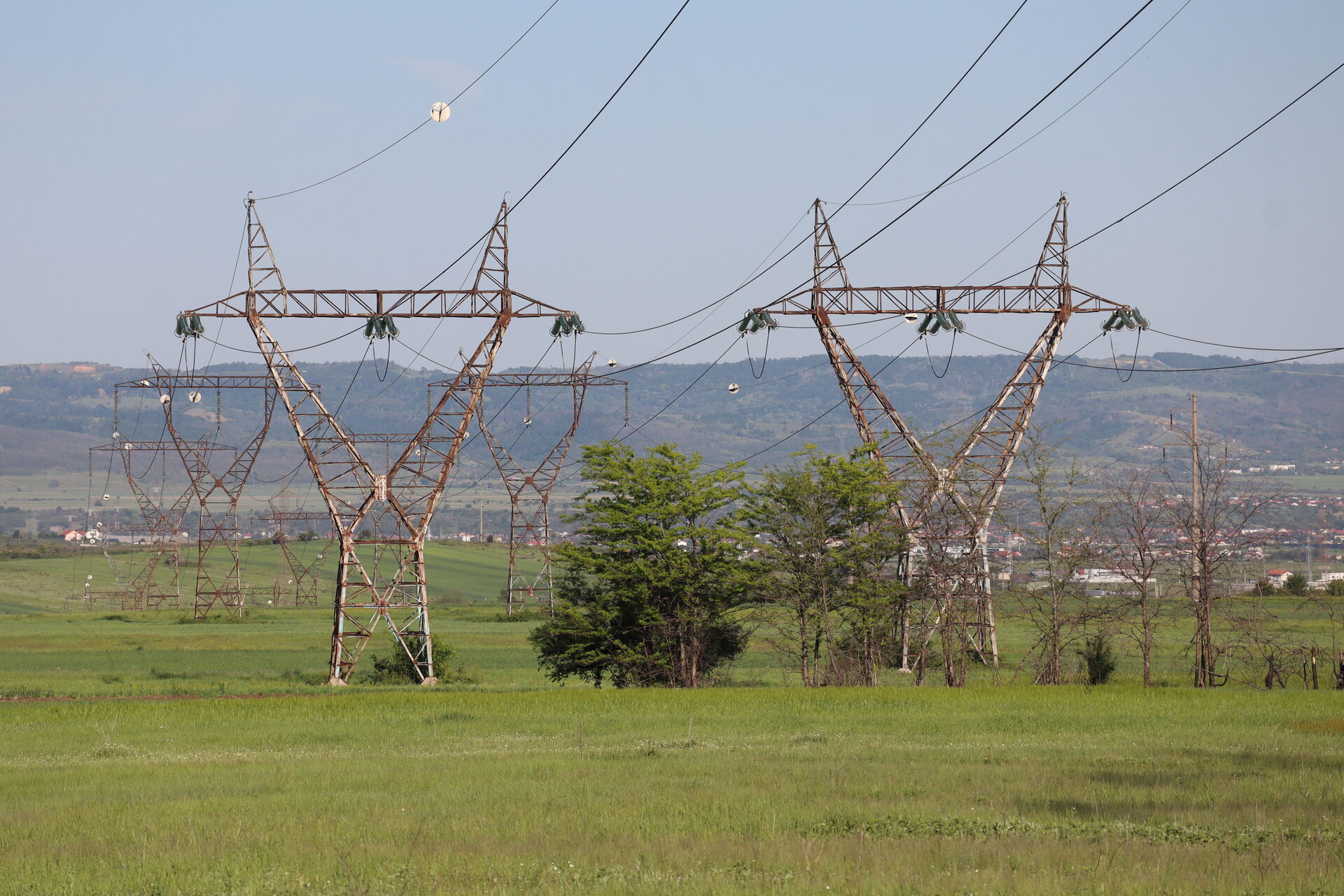
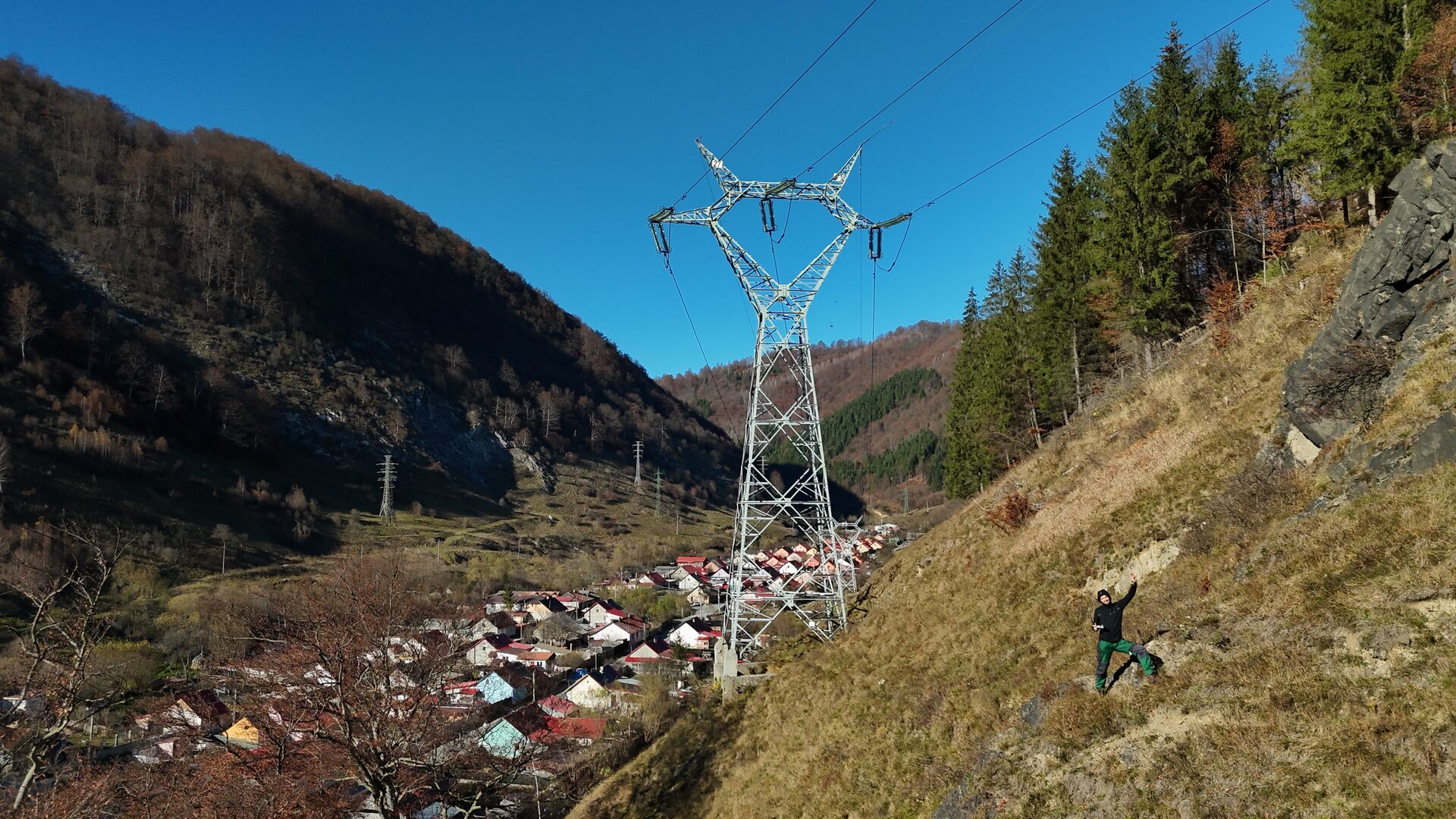
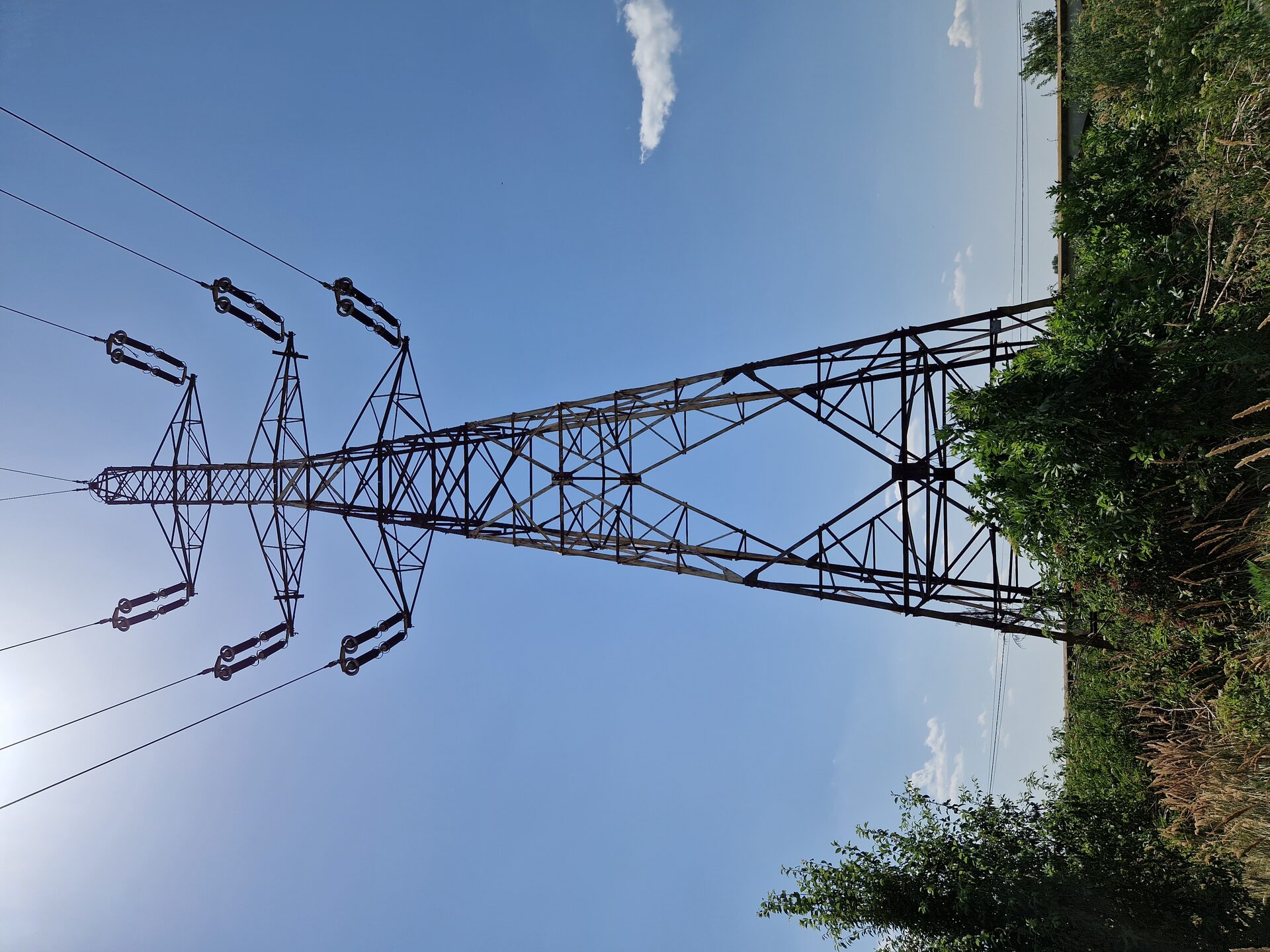
A high-voltage transmission corridor with towers in long-term service. The maintenance plan assumed that structures flagged as damaged would be replaced. The question we were asked to answer first: how many of them actually have to go?

10 towers flagged → 3 replaced, 7 strengthened

Scope

  • Condition assessment of lattice steel towers along the corridor
  • Member and joint verification against current load cases
  • Strengthening concept where capacity could be restored in place

Method

  • On-site inspection with defect and corrosion mapping per tower
  • Full 3D tower models rebuilt from as-found geometry
  • Verification to EN 1993 and EN 50341, including ice and broken-wire cases
  • Non-linear stability checks on the members governing capacity

Outcome

  • Out of 10 towers listed as poor condition, only 3 genuinely required replacement
  • The remaining 7 were brought back to full capacity with member and node strengthening
  • Strengthening details designed to be bolted on site, without dismantling the structure
220 kV · Case 02

Consteel · forensic assessment · drone survey

02220 kV project

Forensic investigation that turned a replacement list into a strengthening list

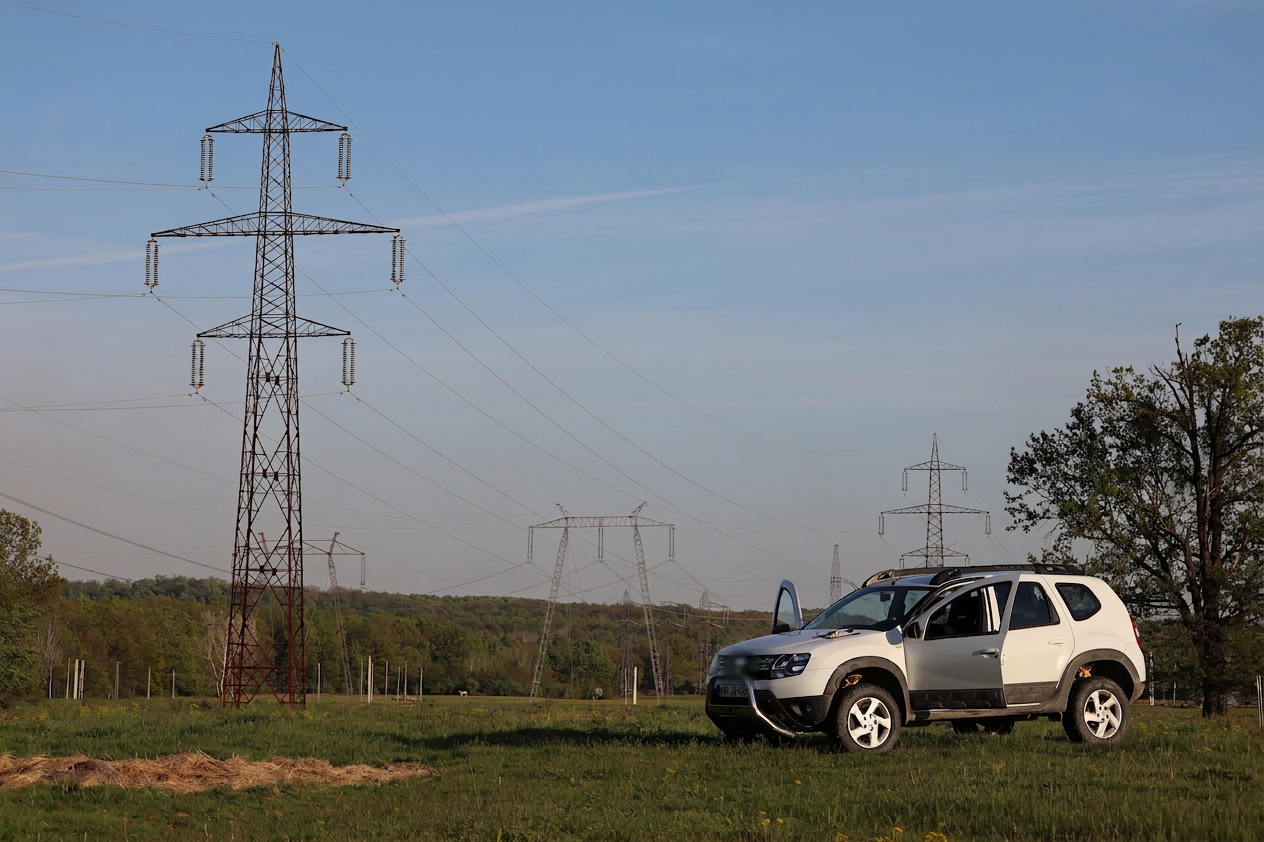
Damage was discovered on structures of an operating 220 kV line. Once the failure mechanism was understood, most of the affected structures no longer needed to be replaced — they needed the right reinforcement in the right place.

≈65% of damaged structures retained

Scope

  • Root-cause investigation of the observed damage
  • Screening of comparable structures on the same line
  • Targeted strengthening design for the structures that could be kept

Method

  • Field survey of the damaged structures, including drone-assisted access
  • Reconstruction of the load path and the governing failure mechanism
  • Comparative analysis of the intact structures under the same mechanism
  • Assessment of section loss, deformation and joint condition

Outcome

  • Roughly two thirds of the damaged structures were retained with local reinforcement
  • Replacement was reserved for the structures with unrecoverable section loss
  • Repair details executable under live-line and limited-access conditions
110 kV · Case 03

Consteel · Eurocode 3 verification · detailing

03110 kV project

Substation steel kept in service through buildable reinforcement details

Substation and industrial-site steel structures — supports, frames and platforms — were assumed to be undersized for new equipment loads. Verification showed most of them could carry the new loads once specific members and base connections were reinforced.

Existing steel reused, local reinforcement only

Scope

  • Verification of existing steel supports, frames and platforms under new loads
  • Reinforcement and base-plate detailing at the interface with existing works
  • Independent check of previously issued structural documentation

Method

  • Modelling of the structures with realistic equipment and environmental loads
  • Bolted and welded connection verification, including node-zone behaviour
  • Second-order and stability analysis where slenderness governed
  • Cross-check of assumptions against site-measured geometry

Outcome

  • Most structures kept in place; only the genuinely deficient elements were replaced
  • Reinforcement resolved as bolted, site-applicable details — no shop rebuild
  • Documented verification chain for the client's approval process
Confidentiality

NDA-friendly by default.

Most of this work sits inside operator confidentiality. Cases are published at the level of voltage class, structural typology and engineering approach — never with client names, locations of vulnerable assets or contract values. Under NDA, the full technical detail can be discussed directly.

Have a structure that needs an honest opinion?

Start a Conversation